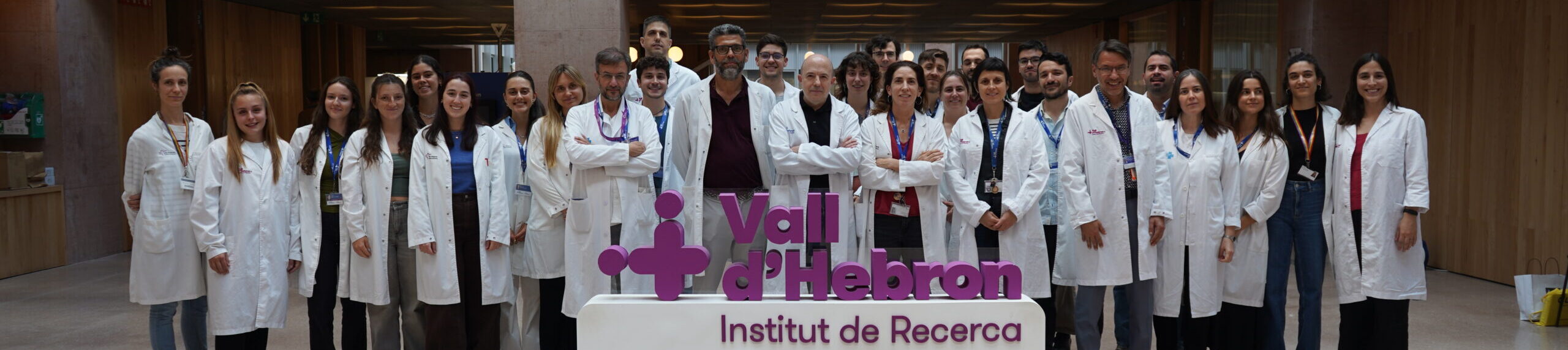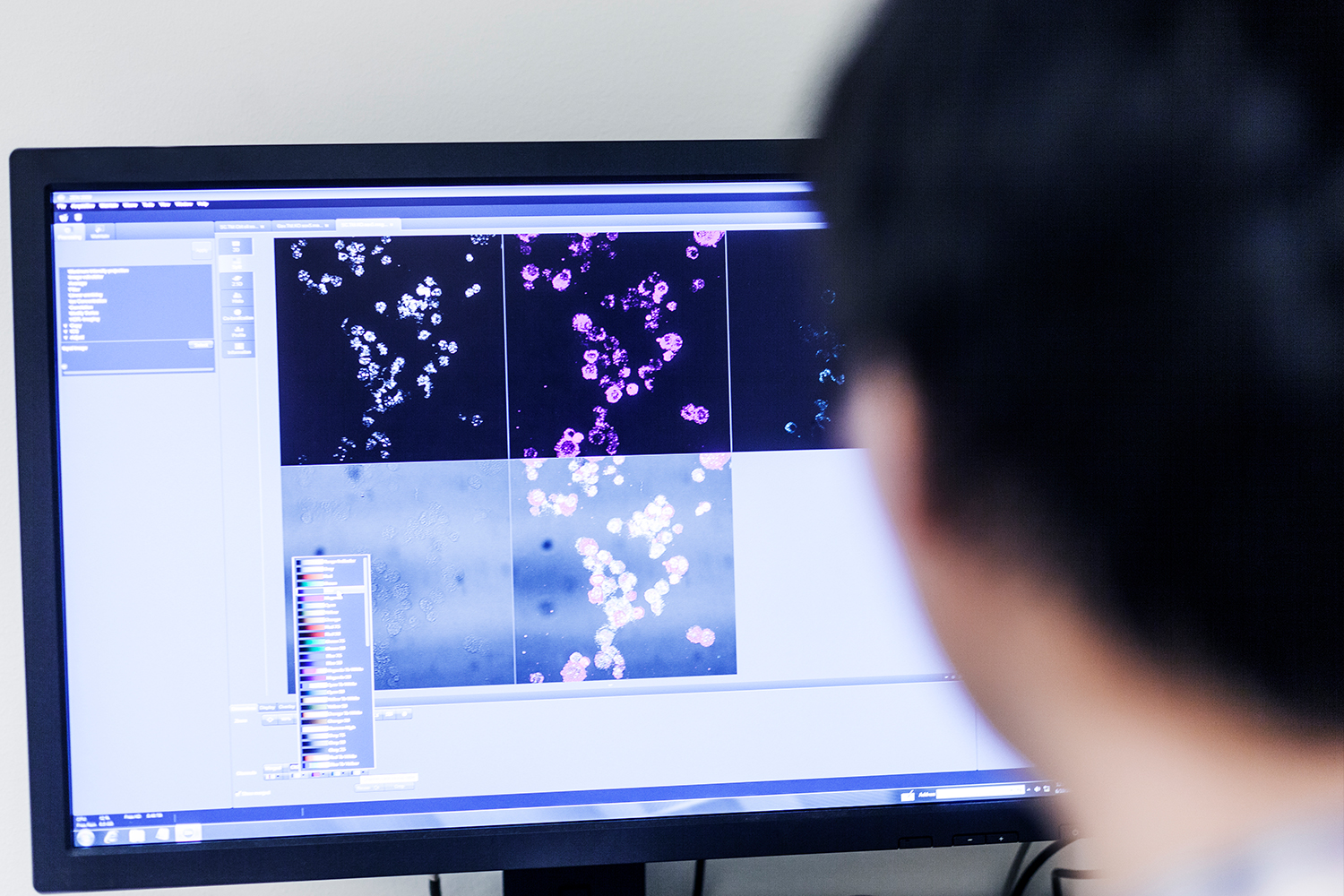



We investigate the molecular mechanisms underlying age-driven neurodegeneration, with a particular focus on Parkinson’s disease. By integrating fundamental neuroscience, human pathology, and clinical and translational research, we aim to identify novel therapeutic targets and develop innovative strategies for the early detection and treatment of Parkinson’s disease and related neurodegenerative disorders, ultimately contributing to healthier brain aging.
 Disease Mechanisms
 Our research focuses on the interconnected cellular and molecular mechanisms underlying age-related neurodegeneration, including impaired proteostasis, autophagy-lysosomal and mitochondrial dysfunction, α-synuclein pathology, catecholaminergic circuit vulnerability, neuroimmune responses, and gut-brain interactions.
 Therapeutics
 We develop and evaluate innovative therapeutic strategies to prevent or slow neurodegeneration, from preclinical proof-of-concept to translational validation, through pharmacological, genetic, nanotechnology-based, lifestyle, neuromodulatory, and immunomodulatory approaches.
 Biomarkers
 We develop and validate biomarkers for the early detection, diagnosis, and monitoring of Parkinson’s disease and related neurodegenerative disorders by integrating preclinical models, human biospecimens, multimodal imaging, and longitudinal clinical studies.
 Outreach
 By fostering dialogue between scientists, clinicians, patients, families, and society, we ensure that patient needs and perspectives help shape our research while promoting a deeper understanding of Parkinson’s disease and facilitating the translation of scientific discoveries into clinical practice.